
The Impact of Martial Arts

Grand Master Stephen Oliver has taught martial arts since 1974 and personally promoted more than 1,000 Black Belts, aged 5 to 76. Across those five decades one idea has shaped how he teaches, how he built Mile High Karate and how he coaches other school owners: martial arts training changes people, and a school that takes that seriously is also a better business.
More than physical skill
Martial arts training develops confidence, discipline, focus and resilience — qualities that outlast any particular technique. A child who learns to set a goal, work through frustration and finish what they started on the mat carries that habit into the classroom and, later, into work and family. Oliver has built his teaching career around that premise since opening his first school in 1975, at age 15, and it remains the organizing idea behind Mile High Karate’s focus on character development for children and families.
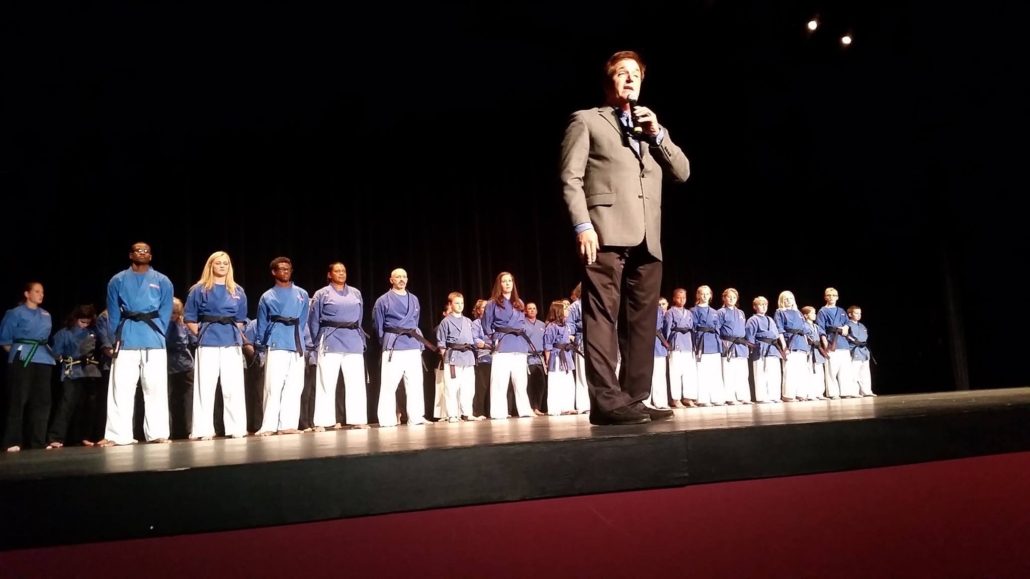
The school as a leadership academy
Oliver’s instructional philosophy, set out with Grand Master Jeff Smith in Extraordinary Teaching, Volume 1: Transform Your Martial Arts School Into a Leadership Academy, holds that a martial arts school does its most valuable work when it operates as a leadership academy rather than simply a place to learn to kick and punch. Students learn goal-setting, perseverance, respect and the habit of finishing what they start. Instructors learn to teach those things deliberately, class after class, rather than hoping they rub off.
The companion Extraordinary Teaching Implementation Workbook turns that philosophy into a 90-day plan for a school’s instructors. Both are listed on the Books page.
Retention is a teaching problem
Schools that teach this way keep students longer, produce better Black Belts and build the kind of family loyalty that no marketing campaign can manufacture. That is why Oliver tells school owners that retention is not a marketing problem: it is a teaching problem, and it is solved on the mat. Marketing brings a family through the door; the quality of the teaching decides whether they are still there at Black Belt.
Why the business side matters
Oliver’s core conviction is that great martial arts and great business are inseparable. Profitable schools survive, attract better instructors, serve more families, maintain higher teaching standards and create more Black Belts. A school that cannot pay its instructors properly or keep its doors open helps no one, however good its intentions. That conviction is the reason he has spent forty years coaching other owners through Martial Arts Wealth Mastery.
In the community
The impact reaches beyond the students on the mat. Since 1983 Mile High Karate has been a contributing school to Chuck Norris’s Kick Drugs Out of America, has supported The Children’s Hospital Foundation, and raises funds for local elementary schools through Educational Foundation Outreach and Fostering Leadership.
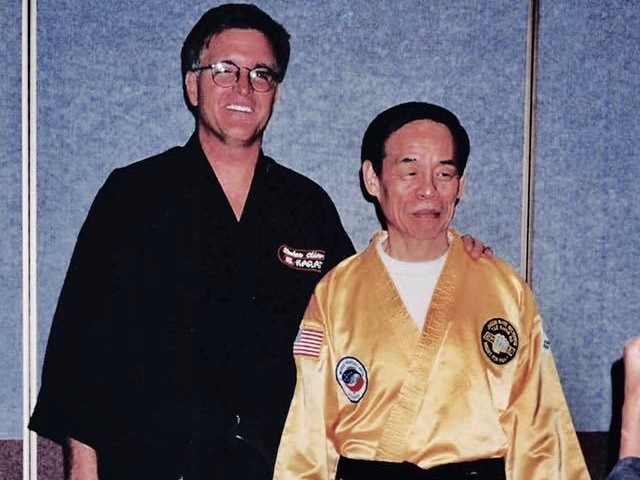
A lineage of teachers
Oliver learned this from his own teachers. He began training in 1969 in Tulsa, Oklahoma, in the Jhoon Rhee lineage, and received his Black Belt from Grand Master Jhoon Rhee in 1978. Jhoon Rhee taught that the martial arts should build the whole person, and that idea runs through everything Oliver has taught since. Read more on the lineage page.
For school owners
If you own a martial arts school, BJJ academy or MMA gym, the curriculum and instructor-development work described here is part of the coaching inside Martial Arts Wealth Mastery. Start with the free book Six Simple Steps to Add 100 Students at FillYourSchool.com.
Read next: Meet Grand Master Stephen Oliver · How the coaching works · Full biography
Last updated: October 2026

